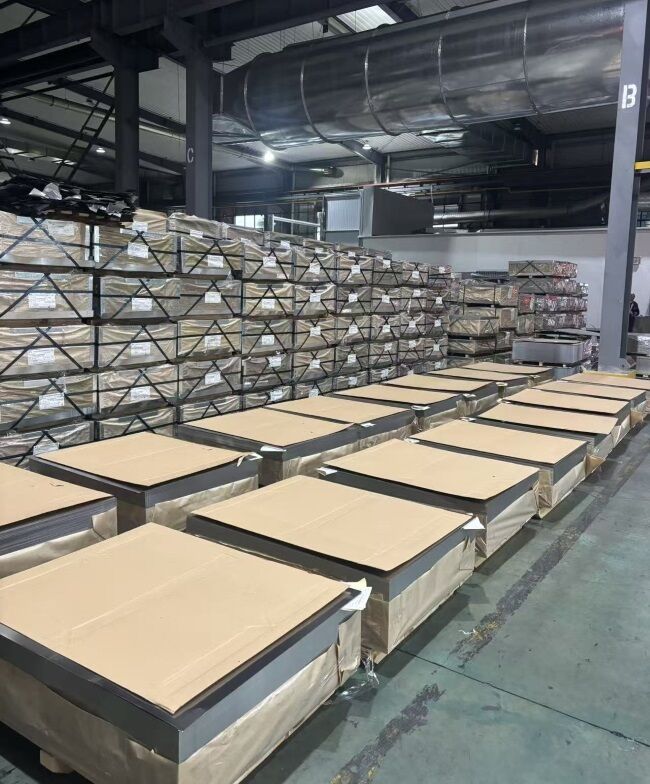
0.2mm 2.8/2.8g/m2 Dayanıklı boya ve kimyasal kutular için elektrolitik teneke plaka (SPTE) bobinleri / levhaları
Ürün Tanımı
Bu özel elektrolitik teneke plaka (ETP), özellikle boya kutuları ve kimyasal kaplar için endüstriyel ambalajın sağlam taleplerini karşılamak için tasarlanmıştır.2 mm kalınlığı ve standart 2.8/2.8 g/m2 her iki tarafta da teneke kaplama, malzeme ekonomisi ve yapısal bütünlüğün en iyi dengesini sağlar.Çelik altyapıyı boyalarda bulunan genellikle saldırgan çözücülerden ve bileşiklerden korumak, lazerler ve endüstriyel kimyasallar. hem SPTE (tinplate) hem de TFS (Tin-Free Steel) çeşitlerinde mevcuttur ve sarmal veya levha şeklinde sunulur.Bu malzeme iki parça üretimi için güvenilir bir temel oluşturur., üç parçalı ve çekilmiş ve demirlenmiş (DI) kutular dayanıklılık, mükemmel mühürleme ve iç basınç veya koroziv içeriğe direnç gerektirir.
Özellikler ve Özellikler
-
Optimize Endüstriyel Spesifikasyon:0.2 mm çaplı, endüstriyel kutular için sağlam duvarlar sağlarken, 2.8/2.8 g/m2 kaplama, maliyetli ve güvenilir korozyon koruması sağlar.
-
Yüksek korozyon ve kimyasal dayanıklılık:Elektrolitik teneke kaplama, pas oluşumunu önemli ölçüde yavaşlatan ve boyalarda ve endüstriyel ürünlerde bulunan birçok kimyasal ajanın saldırısına direnen sağlam bir bariyer olarak çalışır.
-
Mükemmel şekillendirilebilirlik ve güç:DR8, T3, T4 ve T5 gibi çeşitli ısıtmalarda mevcuttur, derin çekim kutuları için gerekli şekillendirme kabiliyetini ve yüksek dayanıklılığı sağlar (örneğin, TS245,TS275 sertliği) güvenli kapaklar ve kullanım için gereklidir..
-
Bitirme için çok yönlü yüzey:Parlak, Taş, Gümüş ve Mat kaplamalarda sunulan yüzey, yüksek kaliteli doğrudan baskı veya boya için idealdir.
-
Geniş uygulama uyumluluğu:Boya ve kimyasal kutular için idealdir, ancak özellikleri ayrıca üretim esnekliği sunan sağlam gıda kutuları (sardine, ton balığı) ve aerosol kapları için de uygundur.
Ana Avantajları
Bu amaçla yapılmış teneke plaka seçimi, endüstriyel ambalajınızın güvenilirliğini ve profesyonel görünümünü artırır.Kanıtlanmış korozyon direnci, ürün raf ömrünü uzatır ve konteynerin bozulmasını önlerMalzemenin tutarlı kalitesi, üretim hatlarında yüksek çalıştırılabilirliği sağlar ve atıkları azaltır. Doğrudan kutuya basma yeteneği, üst düzey, taklit edilemez bir paket oluşturur.Hem SPTE hem de TFS seçenekleri sunan müşterilerin belirli üretim sürecine göre seçim yapmalarına olanak tanır (yağma vs.. lehimleme) ve maliyet düşünceleri.
Teknik parametreler tablosu
| Parametre kategorisi |
Spesifikasyon Ayrıntıları |
| Malzeme Türü |
Elektrolitik Teneke Plağı (SPTE) / Tenekesiz Çelik (TFS) |
| Anahtar özellikler |
0.2mm Kalınlığı, 2.8/2.8 g/m2 Teneke Kaplama |
| Kalınlık aralığı |
0.14mm 0.50mm (Kustomlaştırılabilir) |
| Genişlik / Uzunluk |
Genişliği: 650-1000mm; Uzunluğu: Özel veya sarmal |
| Sıcaklık ve Sertlik |
T1-T5, DR7-DR9, TS230-TS290, TH415-TH620 |
| Kaplama Seçenekleri |
1.1/1.1, 2.2/2.2, 2.8/2.8, 5.6/5.6 g/m2 |
| Yüzey Dönüşümü |
Parlak, Taş, Gümüş, Mat |
| Başlıca Uygulama |
Boya konserveleri, kimyasal konserveler, endüstriyel konteynerler |
Sıkça Sorulan Sorular (FAQ)
S1: Bu 0.2 mm teneke kutu 1 litre veya galonluk boya kutuları için yeterince güçlü mü?
A1: Evet, uygun DR8 veya T4/T5 gibi sıcaklık dereceleri ile birleştirilen 0,2 mm kalınlığı, 1 litre ve galon boyutları da dahil olmak üzere daha büyük formattaki kutular için yeterli dayanıklılık ve sertlik sağlar.Doldurmaya dayanabilmeleri için, mühürleme ve nakliye.
S2: Boya çözücülerinden kaynaklanan korozyona nasıl direnir?
A2: Teneke kaplama koruyucu bir bariyer sağlar. Yüksek agresif çözücüler için teneke plaka ek iç epoxi veya fenolik laklar için mükemmel bir substrat olarak hizmet eder.Özellikle kimyasal saldırıya direnmek ve kutu içerikleriyle etkileşimi önlemek için formüle edilmiş.
S3: Boya kutularımız için önceden basılmış şirket logolarıyla bu malzemeyi sipariş edebilir miyiz?
A3: Kesinlikle. Yüksek kaliteli litografik baskı hizmeti sunuyoruz. Resimlerinizi sağlayabilirsiniz, ve biz de üretime hazır basılı levhalar veya sarmallar sağlayabiliriz.Üretim sürecinizi kolaylaştırmak ve marka tutarlılığını sağlamak.
S4: Bunu boya kutuları ile yiyecek kutuları arasında kullanmanın farkı nedir?
A4: Temel malzeme benzer olabilir. Ana fark genellikle konserve yapımında kullanılan iç lakta yatar. Boya kutuları kimyasallara dayanıklı laklar kullanır,Gıda kutuları gıda kalitesi lak kullanırkenBizim teneke levhamız her iki kullanım için de uygun çok yönlü bir substrat.
S5: Kalite güvence süreciniz nedir?
A5: Üretim boyunca sıkı kalite kontrolleri yapıyoruz. Her partiye ilgili sertifikalar (SGS gibi) ve kimyasal bileşimi detaylı olarak gösteren fabrikamızın Test Sertifikası eşlik ediyor.Mekanik özellikleri, kaplama ağırlığı ve boyutları, sizin özelliklerinize uygun olmasını sağlamak için.

TINPLATE WORKSHOP Gösterisi


 Mesajınız 20-3.000 karakter arasında olmalıdır!